
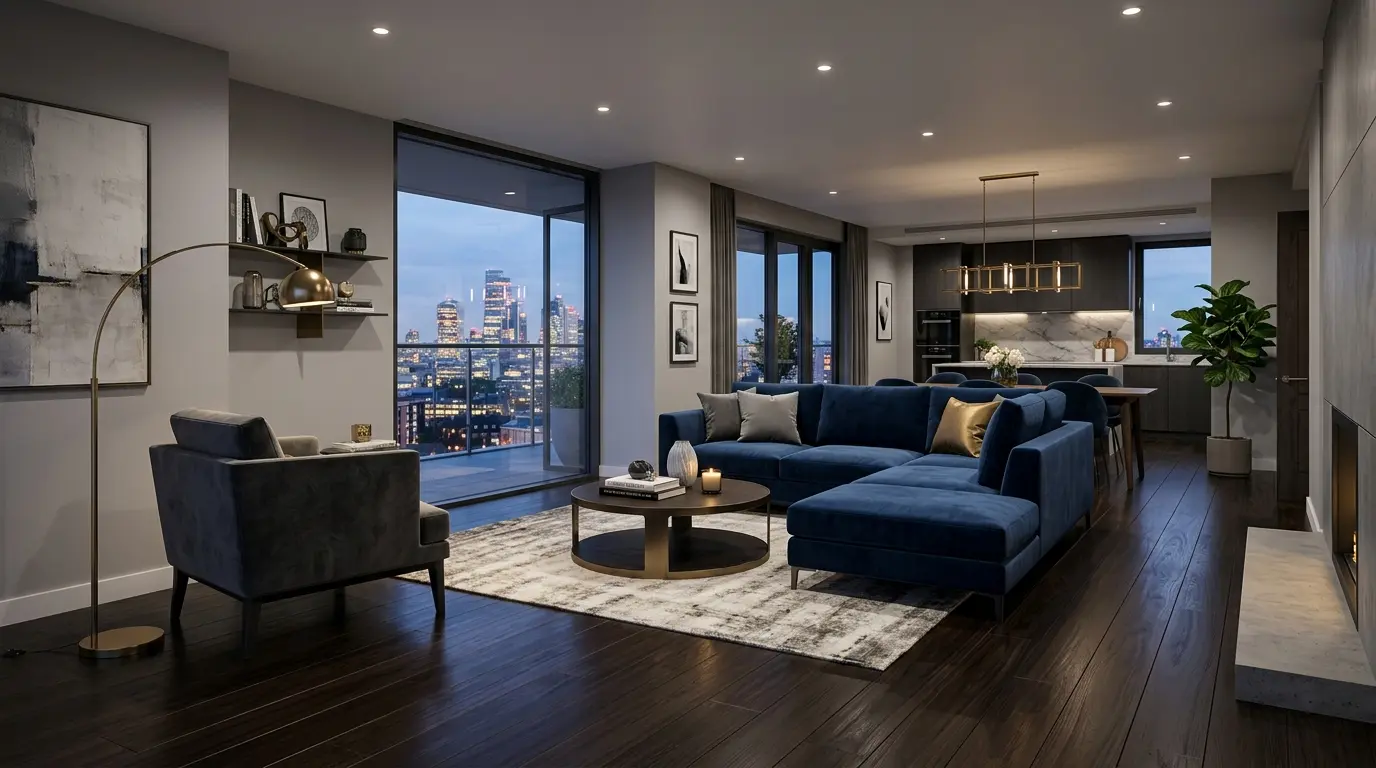
Choosing timber flooring is not just about picking a colour you like. How to Choose Timber Flooring That Complements Your Home’s Interior Design depends on how the floor works with your architecture, furniture, cabinetry, wall colours, natural light and lifestyle. A well-planned approach to interior design timber flooring also considers how these elements work together as a whole. Because flooring covers a large visual area and often remains for decades, the wrong choice can make the whole interior feel disconnected.
The best approach is to treat flooring as part of the complete design palette. Start with your interior style and permanent finishes, then compare timber colour, undertone, species, plank width and finish under the real lighting conditions in your home.
| Interior Goal | Timber Flooring Direction | Good Starting Point |
| Make a small room feel larger | Light to medium timber, low contrast | Light oak or Tasmanian Oak |
| Create a luxury appearance | Wide planks, refined natural grain | European Oak or Walnut |
| Modern interior | Neutral/warm timber, matte finish | European Oak or Blackbutt |
| Scandinavian interior | Pale timber, minimal variation | Light European Oak |
| Coastal interior | Light natural tones | Tasmanian Oak or pale oak |
| Heritage interior | Rich timber or patterned flooring | Walnut, oak or parquet |
| Family home | Durable timber with forgiving texture | Blackbutt or Spotted Gum |
| Open-plan home | Consistent flooring with wider boards | Warm oak or Blackbutt |
| Hide scratches and everyday wear | Matte or lightly brushed surface | Textured natural finish |
Why Timber Flooring Has the Biggest Impact on Interior Design
The floor forms a visual base of the room. Flooring typically lasts a lot longer, while walls can be repainted and furniture can be replaced. Therefore, its colour and undertone will impact cabinetry, stone, rugs and other large finishes.
Timber also alters the size, warmth and welcoming of a room. Flooring colors can either open up connected rooms fully if light, or introduce depth and contrast if darker, consider timber. Natural grain also adds warmth and character that can complement a variety of interior designs.
The National Wood Flooring Association notes that wood floors “add natural beauty and timeless style to any décor,” which is one reason timber flooring can work so well across both traditional and contemporary interiors.

Start With Your Interior Design Timber Flooring Style
Your design style should narrow down your flooring choices before you compare individual samples. Instead of asking which floor looks best in a showroom, focus on which option supports the mood and architecture of your home.
| Interior Style | Best Timber Colour | Suggested Species | Finish | Plank Width | Design Direction |
| Modern | Light-medium neutral | European Oak, Blackbutt | Matte | Wide | Clean and understated |
| Minimalist | Pale neutral | European Oak | Ultra-matte | Wide | Low variation and minimal contrast |
| Scandinavian | Pale blonde | European Oak, Tasmanian Oak | Natural matte | Standard-wide | Bright and relaxed |
| Japandi | Warm pale-medium | European Oak, American Oak | Natural oil/matte | Wide | Organic and restrained |
| Hamptons | Pale-medium warm | European Oak, American Oak | Satin/matte | Standard-wide | Refined but relaxed |
| Coastal | Sandy/light | Tasmanian Oak, European Oak | Matte | Wide | Soft and airy |
| Industrial | Medium-dark | Spotted Gum, Walnut | Brushed matte | Wide | Strong texture and contrast |
| Farmhouse | Warm medium | American Oak, Blackbutt | Brushed | Standard-wide | Natural character |
| Mid-Century Modern | Honey-dark brown | Walnut, Spotted Gum | Satin/matte | Standard | Rich, warm contrast |
Modern
Neutral and softly warm tones are more often appropriate for modern homes than strong orange, red and grey colors. Natural grain, without competing clean architecture lines, with European Oak & Blackbutt.
Use broader boards that have a matte surface. If the room is already bold stone, do not use cabinetry or statement furniture, keep the flooring simple.
Minimalist
Simple designs are best suited to neutral to medium wood tones and subtle colour variations. Natural texture with calmness from Light European Oak.
Wide planks help minimize the appearance of seams and provide a more streamlined finish. Do not over-gloss, knit too much or use too strong of a colour contrast.
Scandinavian
Pale blonde and light neutral timber are a good match for Scandinavian interior. White, cream, soft grey and muted colours are suitable colors for European Oak and Tasmanian Oak.
The typical finish is a matte natural. Mix it up with plain furniture, natural fabrics and cozy lighting, but don’t match up all the timber elements to the same degree.
Japandi
Japandi interiors can be enhanced by warm light to medium timber that is natural in appearance. Both European Oak and American Oak are good choices.
Select wide boards and matte or natural oil finishes. For subtle contrast try pairing them with stone, linen, plaster finishes and darker timber accents.
Hamptons
Hamptons tend to lend themselves to light to medium timber to complement white cabinetry and soft neutral furnishings. European Oak and American White Oak are good options to consider.
Matte finish or satin finish finishes the floor without it being too shiny. This is best fit for medium to wide boards.
Coastal
Sandy, pale and naturally warm timber tones are ideal for coastal interiors. White, beige, blue-grey and linen colours are complemented by Tasmanian Oak and pale European Oak.
Maintain мат surface and do not have heavy stains on the surface of the finish that are yellow. Broadened boards can also help to create a more relaxed and open interior.
Industrial
Industrial interiors can be more robust in terms of timber character. Concrete, metal, black architectural elements are balanced by Spotted Gum, dark oak and Walnut.
Brushed or wire-brushed finishes are especially effective since they take on the raw material qualities without overpowering them.
Farmhouse
Warm timber and visible grain and natural variation are appropriate for farmhouse interiors. Use of any of American Oak, European Oak and Blackbutt will work depending on the desired rustic nature.
Opt for standard or wide boards that are either matte or brushed. A little variation is good, to make the floor sound more real.
Mid-Century Modern
Richer timber finishes are ideal for interiors that are mid-century. Walnut is the traditional choice or Spotted Gum can be used to add an Australian flair.
Combine dark flooring with white walls and neutral pieces of furniture. The timbers do not have to be matched, but must complement each other.
How to Choose the Right Timber Colour
Light Timber
Light timber reflects more light and gives an open and relaxed atmosphere. It is particularly suited for smaller interiors and rooms, such as apartments, Scandinavian interiors, and darker rooms.
Light oak and Tasmanian Oak are also versatile options, as they can be matched with a range of furniture and wall colors. If the light floor is used in multiple spaces, the house will feel larger.
Medium Timber
There are a number of versatile options, such as medium timber. Natural oak, warm neutral and honey tones add just enough character without taking over the room.
If you think your furniture, walls or cabinetry will change over time, these colors are perfect for you. They are also ideal for both contemporary and traditional decor.
Dark Timber
Smoked oak and Walnut flooring are dark brown and offer a sophisticated look, especially in large, bright spaces.
But dirt, pet hair and scratches may become apparent on darker floors. Leave the room unbalanced with lighter walls, rugs or furniture to compensate.
Also Read: How to Choose the Right Timber Floor Colour
Understanding Undertones
Colour of timber is just one of the choices. Medium oak flooring can come in a variety of tones and colors, and one “medium oak” floor may feel warmer or cooler than another.
Cream, beige, warm white and earthy colours are ideal for warm tones. Cool tones work well with grey, blue-grey and cooler colored cabinets, but neutral wood is more versatile. Don’t judge walls, cabinetry and stone separately, always compare with flooring samples.

Choosing the Right Timber Species
Species affects colour, grain, variation and durability, so it should be chosen for both appearance and lifestyle.
| Timber Species | Typical Appearance | Grain | Best Design Styles | Practical Character |
| European Oak | Light-medium warm neutral | Distinct oak grain | Modern, Scandi, Japandi, luxury | Highly versatile |
| American White Oak | Light to medium brown | Straight, medium-coarse | Modern, Hamptons, farmhouse | Hard and adaptable |
| Blackbutt | Golden yellow to pale brown | Generally straight | Modern Australian, coastal | Strong and durable |
| Spotted Gum | Light brown to deep red-brown | Strong, sometimes wavy | Industrial, contemporary | Very hard and character-rich |
| Tasmanian Oak | Straw, cream, pink to light brown | Fine-natural variation | Scandinavian, coastal | Light and easy to stain |
| Walnut | Deep brown to purplish brown | Mostly straight | Luxury, mid-century | Rich visual character |
European Oak
European Oak is very versatile, and can be very light Scandinavian or natural brown. It has a distinct grain and can be used in current, Japandi and luxury interior design.
American Oak
American White Oak typically has light to medium brown colour with a visible straight grain. Suitable for modern homes, Hamptons and farmhouses and stains easy.
Blackbutt
Blackbutt is a golden yellow to pale brown color, and has generally straight grain. A fibrous hardwood tree, native to Australia, suitable for contemporary and coastal houses.
Spotted Gum
Spotted Gum has a range of colour from light brown to deep red-brown. Its unique texture and longevity make it a good choice for hustle and bustle homes and more dynamic interior spaces.
Tasmanian Oak
Each naturally lighter than Tasmanian Oak, pale straw, cream, soft pink and light brown. It’s lighter in appearance, making it a great choice for the Scandinavian and coastal styles.
Walnut
Walnut is rich dark brown with a strong natural character. It is a good choice for luxury, mid century and sophisticated contemporary interior.
Also Read: Oak Timber Flooring Pros and Cons
Choosing the Right Finish
The finish has an impact on both appearance and covering the wear and tear of the everyday use. This should match the look of the interior and your desire for upkeep.
Matte
Most modern residences find matte to be the right choice of finish. They look natural and are usually less noticeable than dust, scratches and minor imperfections.
Satin
Satin offers a hint of shine while remaining not too shiny. It can be used in Hamptons, transitional and traditional spaces.
Gloss
Gloss imparts a formal, shiny finish and can accentuate dust, scratches, and surface marks. Usually much less convenient in hectic family residences.
Brushed
Brushed finishes highlight the timber grain and add subtle texture. They are definitely set to work well in farmhouse, industrial and organic modern interiors.
Wire-Brushed
Wire-brushed flooring is more textured and has more of a “grate” to it. It’s a good choice if you are not looking for a totally smooth floor, but a more natural look.
Natural Oil
Natural oil finishes are lowsheen and give an authentic look to the interior spaces and are ideal for Japandi, Scandinavian, and organic interiors. Maintenance may vary depending on the type of flooring product, so look at product requirements.
Also Read: Matte vs Gloss Finish
How Plank Width and Pattern Influence Interior Design
Board width impacts the activity and calmness of the floor. Narrow boards make for more lines and action and will work well in some heritage interiors, whereas wide planks will give a cleaner appearance in larger or open spaces.
Patterns also modify the overall design. Herringbone is more dynamic and traditional, whereas chevron is sleeker and more modern. In an entryway, parquet may be a significant element in a design while in a formal room or a heritage-inspired interior, it can be a subtle element.
If you prefer not to use pattern everywhere in the house, parquet flooring melbourne can be an effective decorative element in certain areas and straight boards are suitable in other areas.
Matching Timber Flooring With Other Design Elements
Furniture
Furniture doesn’t have to be a 1-to-1 match with the flooring itself. Slight contrast will generally provide a more interesting interior, though you’ll want to ensure that the contrast hues are compatible.
Wall Colours
Warm timber is naturally harmonious with warm whites, beige and earthy colours. However, neutral or cooler timbers will work better with crisp whites and grey tones.
Kitchen Cabinets
The cabinetry and flooring should be complimentary and not duplicate. If both are wood, make one lighter or darker so that they have a distinct appearance from one another.
Benchtops
Take into account toning in stones and timbers. Warm stone is a good choice with warmer floors, whereas grey or cool white stone is more appropriate for neutral oak.
Rugs
Furniture and flooring are separated by rugs. A simpler rug most often provides better balance when the floor is very grainy or coloured.
Curtains
Natural timber can be complemented by warm neutral, cream and linen curtains. Grey-toned colors need to be taken into consideration carefully, on the floors that have golden tones.
Lighting
Timber can look good with lots of lighting or minimal lighting, both ways. Black, bronze and brass fittings provide contrast and lighter fittings generate a more subtle appearance.
Doors
The doors don’t have to be the same as the floor. Timber doors typically contribute more to the room’s design when they are made to fit in with the floor and are not intended to match it.
Staircases
The same timber family is used for the stairs allowing for visual flow to be maintained. If there’s no match, an intentional contrast is generally preferable to a close mismatch.
Skirting Boards
Timber skirting boards can be painted to give a clean edge to the wood floor and are great for modern interiors. The traditional designs are better suited to timber skirting.
The knowledgeable timber flooring installer can also give guidance on direction of the boards, any transitions or stair details prior to installing the timber floor.

How Lighting Changes Timber Flooring
The direction of the daylight and the artificial lighting can have a great impact on the look of timber. Avoid choosing a final colour based on showroom lighting.
North-Facing Rooms
Australia’s rooms tend to get more natural light if they face north. They typically have a medium to dark color and can deal with medium or dark wood without being too cumbersome.
Timber can look golden in the warm sun, compare at different times of the day.
South-Facing Rooms
South facing rooms tend to have cooler and gentler light. These spaces may look even cooler with dark or grey flooring.
Gentle warmth and light to medium timber can help to give a more inviting effect.
East-Facing Rooms
East-facing bedrooms will get more morning light. Timber may appear warmer early in the day and more neutral later.
Test samples of flooring in the morning and afternoon before you make a choice.
West-Facing Rooms
Rooms that are on the west side of the house can get a lot of warm afternoon sun. Some yellow, honey and red tones may look more vibrant at this time.
If the room is already very warm, a more neutral timber may help to create better balance.
Warm vs Cool LED Lighting
Warm-white LEDs make the timber appear more yellow and amber than it does when illuminated by cooler lights, and the same floor can feel more neutral or grey under cooler lighting.
Always test samples with artificial night lighting you intend to use at night.
Room-by-Room Timber Flooring Recommendations
Living Room
Natural medium timber or wide-plank oak can be used in living rooms. These options will add warmth and provide a space for furniture and artwork to be the focal point.
Bedroom
Light to medium woods make for a relaxed ambiance. The matte finishes are especially suitable as they reduce glare and reflection.
Kitchen
Easy maintenance and durability are key. Do not aim to match the exact colour of floor, cabinetry and benchtops, but rather match the undertones.
Dining Room
Medium oak, Blackbutt and Spotted Gum are enough to provide character to anchor a dining area. Herringbone is also a good choice if the floor is meant to be a statement piece.
Hallway
In long hallways it is important that the board be oriented in the direction. Boarding along the main sight line can help to enhance visual flow to adjacent rooms.
Home Office
Neutral oak is a calming option, while a darker shade of Walnut or Spotted Gum can add sophistication to the room.
Open-Plan Spaces
In an open plan interior, consistency is normally the best way to go. Consistent wood throughout the kitchen/living and dining spaces creates seamless spaces and makes them appear larger.
When homeowners are thinking about a solid timber floor, it’s also a good idea to determine how the chosen timber and board size will function throughout the entire connected area.
Common Timber Flooring Design Mistakes
One of the most frequent errors is attempting to match all of the timber surfaces. Interiors tend to be more attractive when different timber shades are used together, but not exactly the same.
Some of the most common errors made are:
- Ignoring undertones
- Choosing cabinetry before flooring.
- There was a period of time when people followed fads in colour.
- In areas where lots of people are working, use shiny finishes.
- When using very narrow planks in a large room:
- Ignoring natural lighting
- Mixing too many different types of timber colours in the same mixture.
- Unnecessary change of flooring from room to room
- Choosing from very small samples
- Forgetting future renovations
Not taking into account lifestyle and maintenance needs
Timber Flooring Trends That Will Stay Timeless
Natural timber, matte finishes, wide planks and grain are still a good fit for modern Australian interiors. These options are more natural and versatile than excessively grey, shiny or synthetic.
To achieve longer lasting looks, consider natural timber tones, basic finishes and the flooring that complements the home’s architectural design. Sustainable timber and seamless flooring throughout adjoining areas will also most likely continue to be a design priority.
Expert Design Tips Before You Buy
Consider pieces of timber when looking at them horizontally, not at showrooms. Look at them in the morning, afternoon and evening light and use larger boards if possible as natural timber varies a great deal.
Also compare flooring to furniture, kitchen finishes and plans for possible future renovations. Natural medium and warm neutral colors tend to be more versatile and accommodating when the interior style evolves as time goes on.
Final Recommendations
For small homes, choose light to medium timber and maintain the same flooring across connected rooms. Wider boards can also reduce visual clutter.
For luxury homes, European Oak, Walnut, wide boards and carefully placed parquet can create a refined appearance without relying on excessive gloss.
For family homes, Blackbutt, Spotted Gum and durable oak with matte or lightly textured finishes provide a good balance of appearance and practicality.
For pet owners, medium colours with natural grain and low sheen are usually more forgiving than very dark or glossy floors.
For modern interiors, neutral European Oak, Blackbutt or American Oak with wide boards and matte finishes are reliable choices.
For heritage homes, richer oak, Walnut and traditional parquet patterns can complement existing architectural details.
For coastal homes, pale oak, Tasmanian Oak and soft sandy tones work well with bright walls and relaxed furnishings.
For open-plan living, use one consistent timber wherever possible. Wide planks and natural medium tones help create visual continuity.
Ultimately, How to Choose Timber Flooring That Complements Your Home’s Interior Design is about balance rather than finding one perfect timber. Choose a floor that fits the architecture, works with permanent finishes, responds well to your home’s lighting and remains flexible as your interior changes.
Frequently Asked Questions
How do I choose timber flooring that matches my interior design?
Start with your home’s architectural style, then compare colour, undertone, species, finish and board width. Always test samples beside cabinetry, walls, stone and furniture.
Should timber flooring match my furniture?
No. Exact matching can make a room look overly coordinated. Choose compatible undertones and create deliberate contrast between the floor and furniture.
What timber flooring colour is the most timeless?
Light to medium natural brown and warm-neutral oak tones are among the most versatile because they suit both modern and traditional interiors.
Are light or dark timber floors better?
Light timber can make smaller spaces feel brighter and larger, while dark timber creates stronger contrast and works well in spacious, well-lit rooms.
Which timber flooring suits modern homes?
European Oak, American White Oak and Blackbutt are strong choices. Neutral tones, wide planks and matte finishes usually suit modern interiors best.
What flooring works best with Scandinavian interiors?
Pale European Oak and light Tasmanian Oak are ideal. Choose blonde or natural tones with a matte finish and minimal visual heaviness.
How do I match timber flooring with kitchen cabinets?
Focus on matching undertones rather than exact colours. If both surfaces are timber, create enough contrast so the cabinetry and floor remain visually separate.
Does timber flooring increase property value?
Quality timber flooring can improve the perceived quality and appeal of a home, especially when the colour, species and installation suit the architecture.
Which timber species is best for Australian homes?
Blackbutt and Spotted Gum are durable Australian hardwoods, while Tasmanian Oak provides a lighter look. European and American Oak are also highly versatile options.
What finish is best for timber flooring?
Matte and low-sheen finishes suit most contemporary homes because they look natural and hide everyday wear better. Satin works well in more traditional interiors.


2 Responses
I’m considering timber flooring for my living room. How do I choose the right timber colour and finish to make sure it complements the existing furniture and interior style?
Start by looking at the existing colours, materials and amount of natural light in the room. Warm timber tones can complement earthy or traditional interiors, while lighter or more neutral finishes can work well with contemporary spaces and help keep the room feeling bright.
The finish matters too. A matte or low-sheen finish tends to give a more natural appearance and is generally more forgiving of everyday marks, while a higher-sheen finish creates a more polished look but can make scratches and reflections more noticeable.
It’s a good idea to view physical samples alongside your furniture, cabinetry and wall colours in both natural and artificial light before making a final decision. Timber can look quite different depending on the surrounding colours and lighting.